As part of July’s Hazard of the Month, Environmental, we’re highlighting two key areas: Environmental Awareness and Legionella.
Environmental Awareness
 Environmental responsibility is becoming an increasingly important part of business operations.
SSIP schemes and Pre-Qualification Questionnaires (PQQs) now place greater emphasis on environmental performance, making it a key factor when selecting suppliers and contractors, as well as during project planning.
In many cases, organisations are expected to demonstrate that their workforce has received appropriate environmental training.
Creating a more sustainable workplace is not the responsibility of one person or department alone.
Everyone within an organisation, from employees on the frontline to senior leaders, has a role to play in reducing environmental impact.
This includes actively looking for ways to reduce waste, use resources efficiently, and support environmentally responsible practices.
Understanding how resources are consumed and identifying opportunities to improve efficiency can have significant benefits for your company, not only helping to protect the environment but also lowering operating costs and improving organisational performance.
Key steps include:
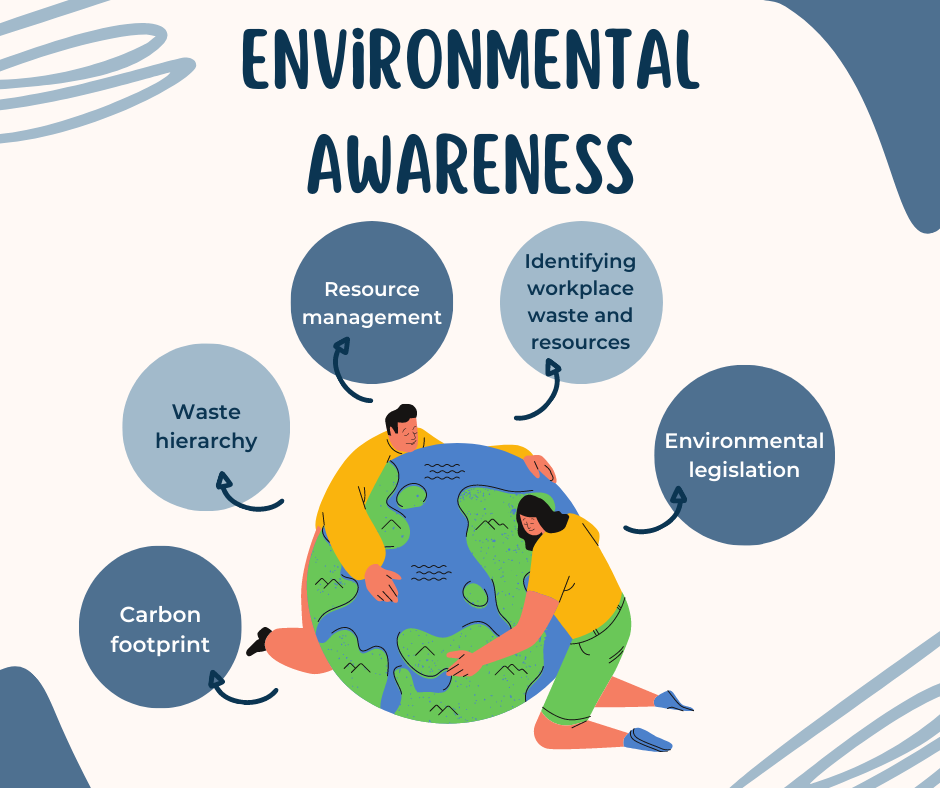
- Understanding and applying the waste hierarchy
- Identifying what is considered waste and what can be treated as a valuable resource
- Recognising the importance of efficient resource management
- Understanding environmental legislation, responsibilities, and management systems
- Learning practical everyday actions that can help reduce carbon emissions
Our Environmental Awareness Course covers these topics and much more, providing learners with the knowledge and confidence to make a positive impact in their workplace and contribute to a more sustainable future.
Learn more with our Environmental Awareness Online Course – get 10% off this course with the code ‘eco10’!
Legionella
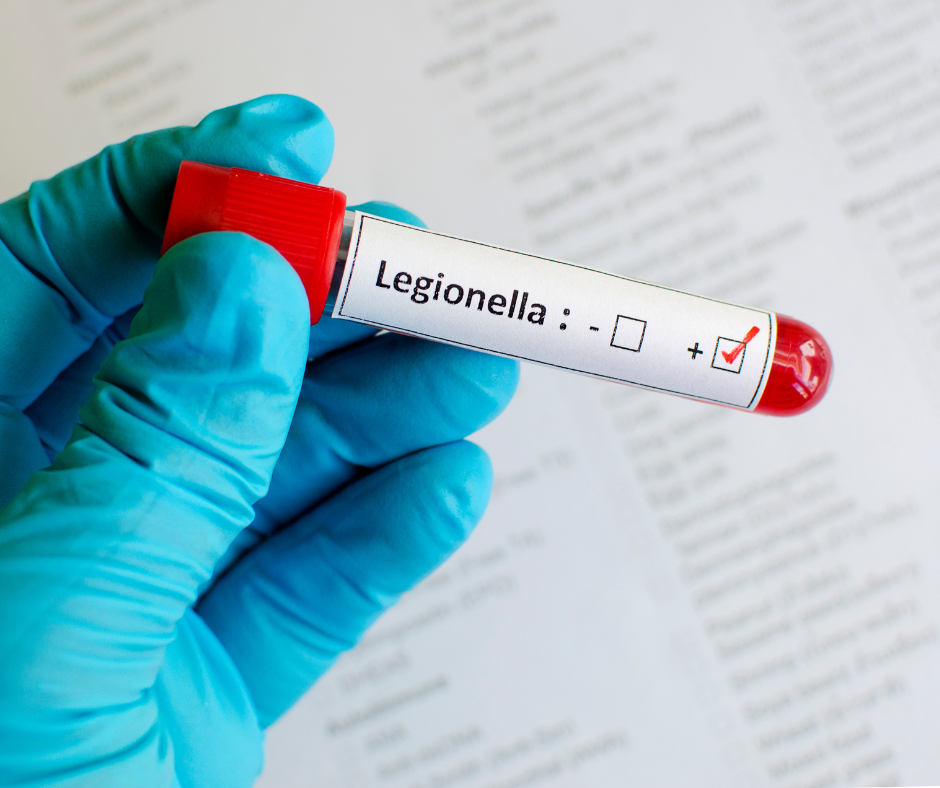 Legionellosis is the collective term for a range of illnesses caused by Legionella bacteria, including Legionnaires’ disease, Pontiac fever and Lochgoilhead fever.
Of these, Legionnaires’ disease is the most serious, causing a potentially life-threatening form of pneumonia that can affect anyone.
However, while anyone can contract Legionnaires’ disease, some individuals are more vulnerable to severe illness.
Higher-risk groups include people over the age of 45, smokers, heavy drinkers, and those living with chronic health conditions such as respiratory disease, diabetes, kidney disease, heart disease, lung disease, or weakened immune systems.
Legionella bacteria can become a health risk when contaminated water is dispersed into the air as fine droplets.
People can become infected by inhaling these droplets, which may be generated from systems such as cooling towers, evaporative condensers, spa pools, showers, and hot and cold water systems.
Risk factors include:
- Water temperatures between 20°C and 45°C
- Systems that produce airborne water droplets that can be inhaled
- Stored or recirculating water
- The presence of rust, sludge, scale, organic matter, or biofilms that provide nutrients for bacterial growth
Those responsible for managing Legionella risks must be able to:
- Identify and assess potential sources of Legionella contamination
- Implement effective risk management and control measures
- Prevent or minimise exposure to contaminated water droplets
- Maintain accurate records of assessments, monitoring, and maintenance activities
- Meet all relevant legal and regulatory requirements
Learn more with our Legionella Online Course – get 10% off this course with the code ‘eco10’!
Environmental Awareness and Legionella courses are essential tools in reducing your environmental impact and protecting employees from environmental hazards.
Make sure you don’t miss out on our 10% off deal on these courses, available until the end of July. Simply enter the code ‘eco10’ at checkout to save!
Read more Safety Spotlight blogs here
To keep up to date with the latest health & safety news and advice, follow us on social media: