
NHS Trust fined after it failed to manage hand-arm vibration risks
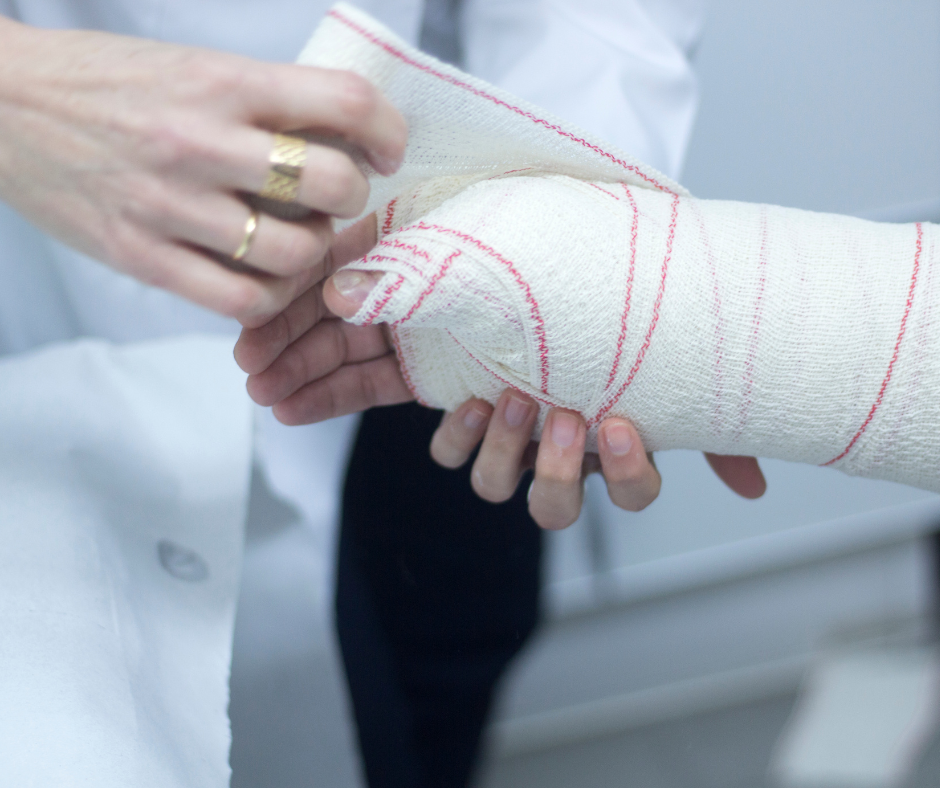 An NHS Trust has been fined £40,000 after several employees were diagnosed with Hand Arm Vibration Syndrome (HAVS) and Carpal Tunnel Syndrome (CTS), following prolonged exposure to vibration from work equipment.
The Health and Safety Executive (HSE) began an investigation into Chesterfield Royal Hospital NHS Foundation Trust after an employee was diagnosed with HAVS – a serious, lifelong condition characterised by persistent numbness and tingling in the fingers, reduced sensory perception and impaired manual dexterity.
The investigation found the Trust failed to carry out a suitable and sufficient assessment of the risks posed by the use of vibrating tools. There were no records to demonstrate the level of vibration exposure employees faced, and the Trust also failed to eliminate exposure or reduce it to as low as reasonably practicable.
Furthermore, it became clear that employees had not been provided with suitable and sufficient information, instruction or training about the risks associated with vibration exposure.
Read more on the HSE website.
Derbyshire Police prosecuted for failing to protect officers
 Derbyshire Police has been fined £60,000 after several of its officers were injured when a riot training exercise went wrong.
Four serving police officers suffered burns after petrol bombs were thrown at them during the simulated exercise at a training facility in Rotherham on 2 February 2021.
An investigation into the incident by the Health and Safety Executive (HSE) found that the officers had been exposed to significant and avoidable risks during the exercise.
Officers wearing flame-retardant personal protective equipment (PPE) had been required to face petrol bombs thrown by other officers as part of a training drill intended to replicate a public disorder situation.
However, it resulted in four of the 13 officers taking part sustaining burns to their lower bodies, three of whom required hospital treatment. All four have since returned to work, but the incident resulted in permanent scarring, and psychological harm which will have a lasting effect.
For more on the incident visit the HSE website.
Workers delaying help despite mental health struggles
 UK organisations are caught in a mental health crisis with 81% of workers experiencing mental health symptoms – including stress, anxiety, depression, burnout and loneliness – in the past 12 months.
This is according to a new survey of 3,000 working adults by integrated employee care platform, Sonder, which also finds that one third (34%) of respondents have delayed seeking medical support.
According to research – which underpins Sonder’s new ‘State of Employee Mental Health and Wellbeing Report’ and was carried out by YouGov*- the main reasons for postponing a doctor’s visit included assuming that symptoms were not serious enough to warrant medical attention (47%); lengthy appointment wait times (42%); a lack of time (39%) and concerns at what the diagnosis might reveal (32%).
These delays risk a worsening of conditions, leading to longer, more complex recovery for individuals as well prolonged absenteeism for the organisation.
Learn more on the HSM website.
Guidance to protect workers from climate-related risks
 New international guidance designed to help organisations protect workers from current and growing occupational health and safety risks (OH&S) related to climate change has been issued by BSI, as challenges such as extreme heat, flooding and rising pollution affect billions of workers around the world.
Climate change is having an increasingly profound impact on the global workforce, with conditions such as drought, rising sea levels, severe weather, air pollution and climate-induced resource shortages often intensifying existing OH&S risks or creating entirely new ones. According to the ILO, over 70% of all workers (an estimated 2.4 billion worldwide) are already exposed to excessive heat each year1.
This can affect people in all roles and sectors, both outdoor and indoor work, with the former, physical labour, or exposure to environmental conditions, such as agricultural workers or those in the built environment or transport and logistics sectors, facing potentially severe impacts. At the same time, efforts to adapt to and mitigate climate change, including the introduction of new technologies, infrastructure upgrades, relocation of activities and new ways of working, can also introduce additional hazards if they are not effectively anticipated and managed.
Read about the guidance on the HSM website
To keep up to date with the latest health & safety news and advice, follow us on social media:
Facebook | Instagram | LinkedIn
.