Mobile Elevating Work Platforms (MEWPs) are designed to provide a safe work platform for temporary work at height to prevent falls.
It is vital that the most appropriate MEWP is selected for the job, and that related hazards are identified and controlled.
What are the hazards of MEWPs?
 MEWPs are an excellent solution for working at height, but they carry inherent risks that can lead to life-changing or even fatal injuries if misused.
Most hazards are linked to how the machine is operated, rather than its role as a mobile site vehicle.
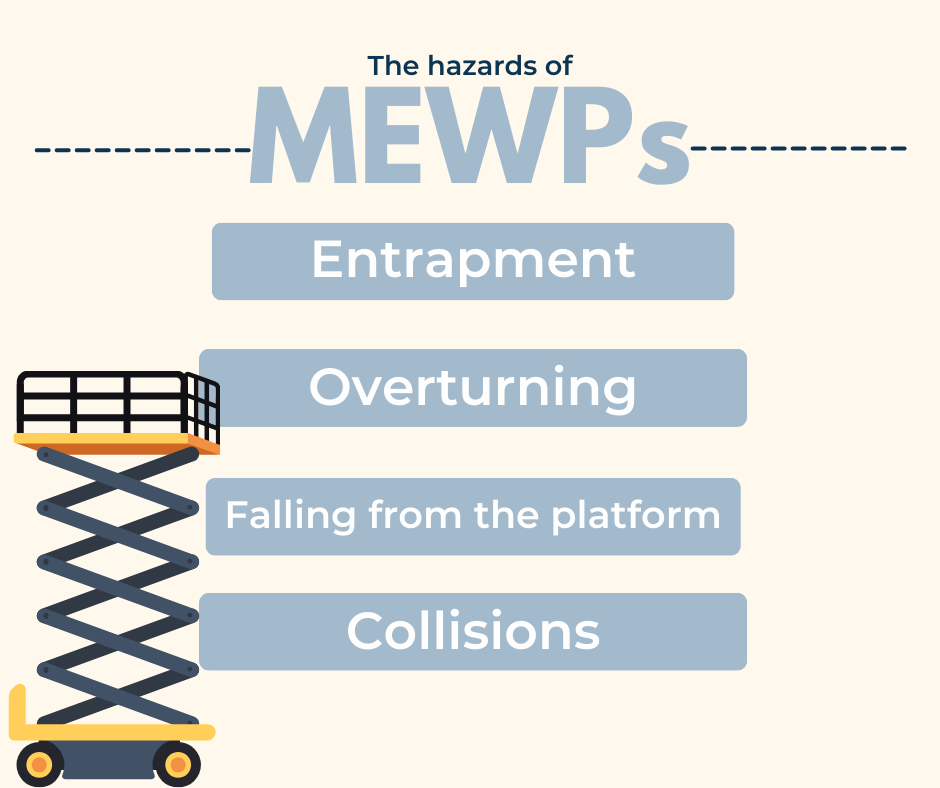
The main risks include:
- Entrapment: This occurs when an operator becomes trapped between the basket and a fixed structure, which is most likely in confined overhead areas.
- Overturning: Poor ground conditions or incorrect setup can cause the MEWP to tip over.
- Falling from the platform: Overreaching, failing to use guardrails or harnesses, and unsafe movement can lead to falls.
- Collisions: MEWPs can collide with pedestrians, vehicles, structures, or overhead cables if operators are not careful or the work area is poorly planned.
What safety precautions must be taken when using MEWPs?
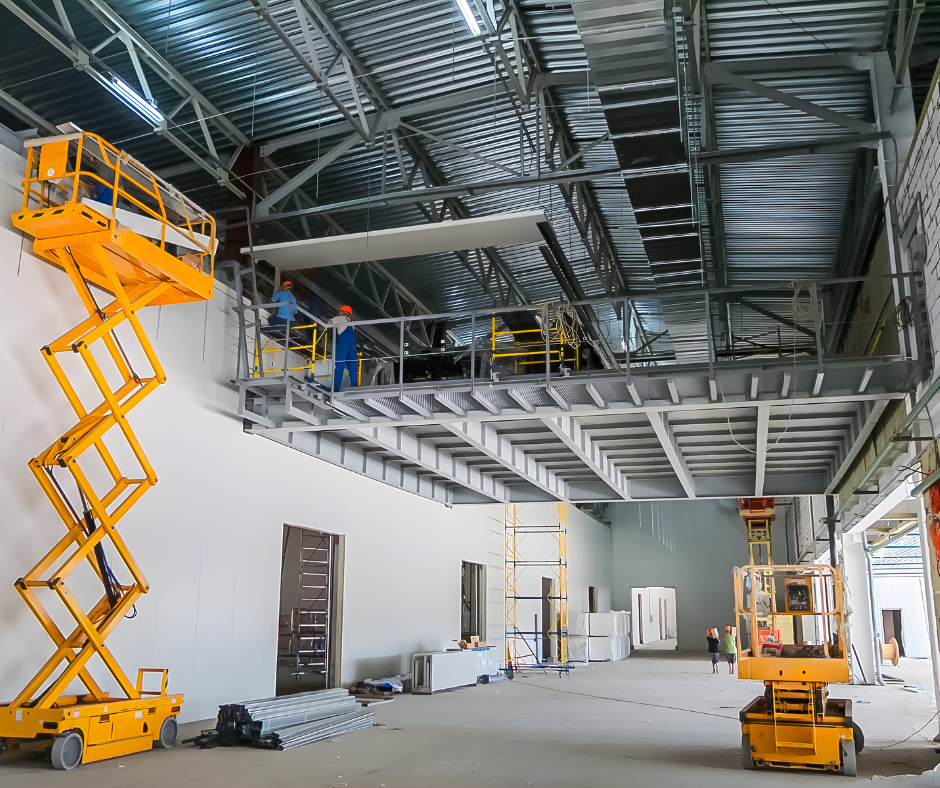 Choosing the right MEWP for the task and site conditions is essential. It’s also a good idea to have a rescue plan in place, with someone on the ground who knows how to operate the MEWP’s controls in an emergency. Practising this plan regularly makes sure everyone knows what to do if something goes wrong.
To reduce entrapment, make sure operators are briefed on safe working procedures and follow a safe system of work. If there are overhead structures nearby, pick a MEWP that’s designed to prevent accidental contact, like one with shrouded or protected controls.
To reduce overturning, always use the MEWP on firm, level ground and avoid hazards like trenches, manholes, or soft backfill. Don’t forget to extend and chock outriggers and use spreader plates if the manual says to.
To reduce falling, make sure platforms have guardrails and toe boards. Choose the right type of MEWP for the task, like a scissor lift for straight-up work or a boom lift for higher or extended reach. If there’s still a risk, operators should wear a harness with a short restraint lanyard attached to the basket’s anchor point.
To reduce collision, keep a safe distance from people, vehicles, structures, and overhead cables. Plan the work area carefully and barrier off the space below the platform. Make sure no part of the MEWP arm sticks into traffic routes or other danger zones.
What are the legal requirements for MEWPs?
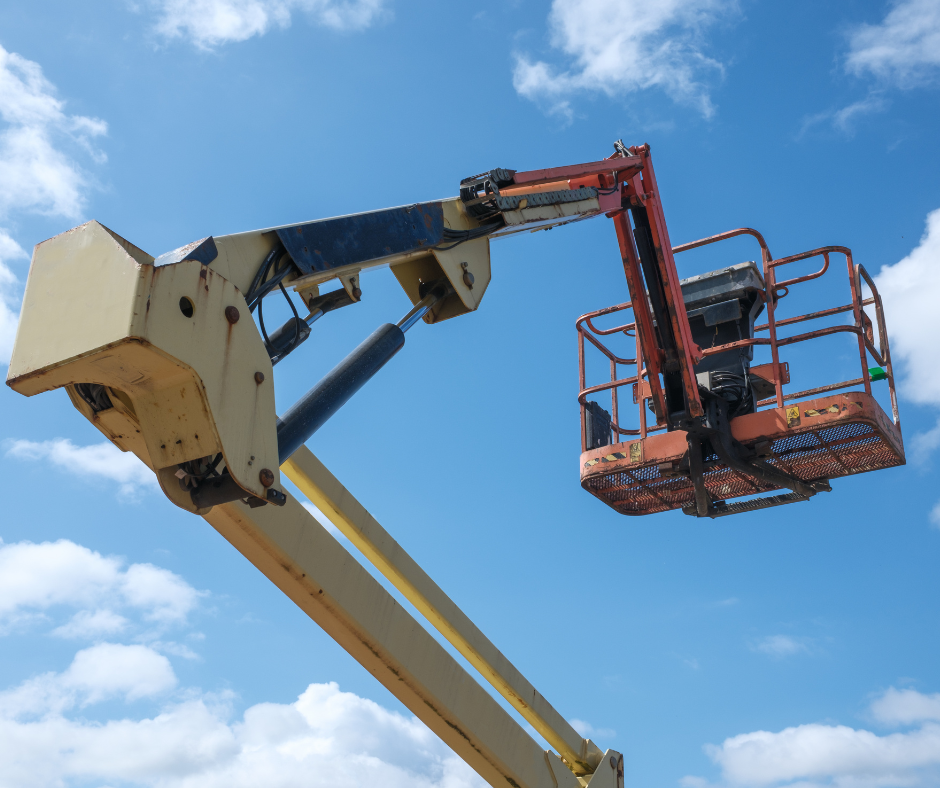 MEWP operation is governed by both PUWER and LOLER regulations, which cover training, inspections, and equipment safety. Operators must have recognised, in-date training and receive familiarisation training on the specific machine they will use.
Before each shift, operators must carry out daily visual checks to identify obvious defects. Any issues must be reported and fixed before use. In addition, MEWPs require regular inspections and servicing to find wear and tear that daily checks might miss.
Because MEWPs are lifting equipment, they also need a thorough examination at least every six months. This ensures the machine is safe and fit for purpose. All inspections, servicing, and defect reports should be clearly documented, so both operators and managers are aware of the machine’s condition.
How can WA Management help?
WA Management offer an online Working at Height training course which can support overall safety awareness and best practice for working in high places.
Please be aware that this is not a replacement for proper MEWP certification.
Working at Height and Managing Health and Safety training courses are essential tools in protecting the safety of your workers. Make sure you don’t miss out on our 10% off deal on these courses, available until the end of February. Simply enter the code ‘heights10’ at checkout to save!
Read more Consultant’s blogs here.
To keep up to date with the latest health & safety news and advice, follow us on social media: