
As part of March’s Hazard of the Month, Warehouses, we’re highlighting two key areas: COSHH and Manual Handling.
COSHH
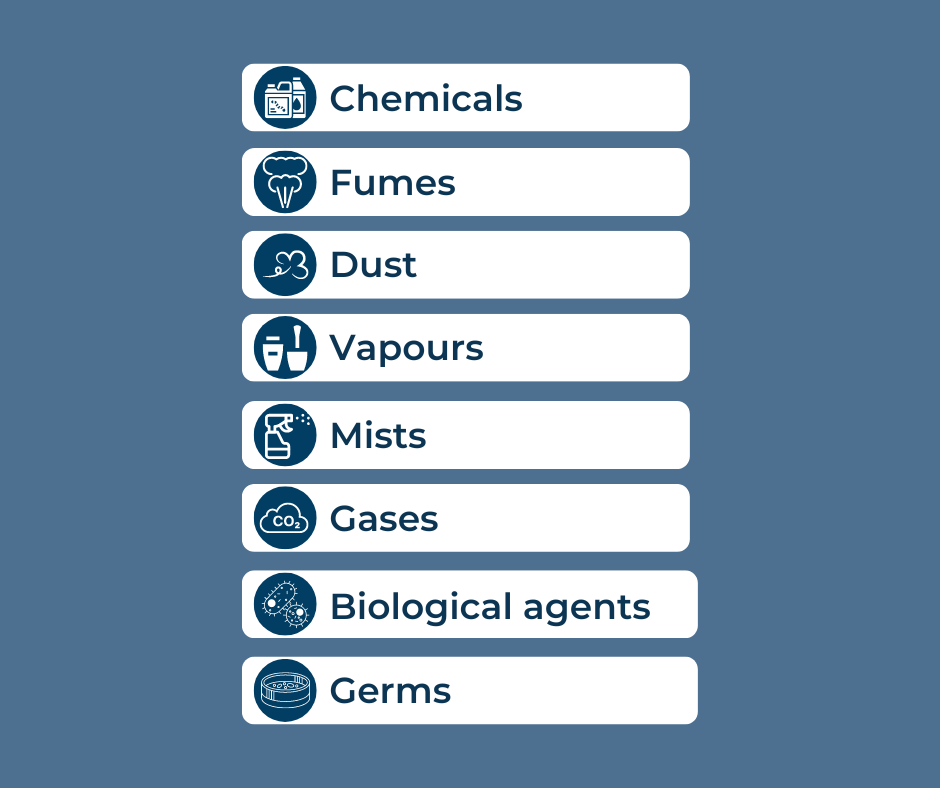 Employers have a legal duty to protect employees from exposure to hazardous substances, which may include:
- Dust
- Fumes
- Chemicals
- Vapours
- Mists
- Nanomaterials and nanotechnology by-products
- Gases
- Biological agents
- Germs
Where substances are classified as carcinogens, mutagens, or asthmagens, exposure must be reduced as far as is reasonably practicable in line with the Control of Substances Hazardous to Health Regulations 2002 (COSHH).
What is Exposure?
Exposure happens when a hazardous substance enters the body through:
- Skin contact
- Ingestion
- Injection
- Inhalation of dust, gas, fumes, or mist
The Health and Safety Executive (HSE) sets Workplace Exposure Limits (WELs). These are approved occupational exposure limits intended to safeguard workers’ health. WELs specify the maximum concentration of a hazardous substance permitted in the air, averaged over a defined time period.
Exposure can be measured through monitoring, which involves assessing the concentration of a substance in the air that a worker breathes while carrying out a task. Monitoring helps determine whether existing control measures are effective. If exposure levels remain below the relevant WEL, it indicates that the controls in place are likely to be adequate.
Ensure you understand COSHH regulations with our Control of Hazardous Substances Online Training. Get 10% off this course with the code ‘warehouses10′!
Manual Handling
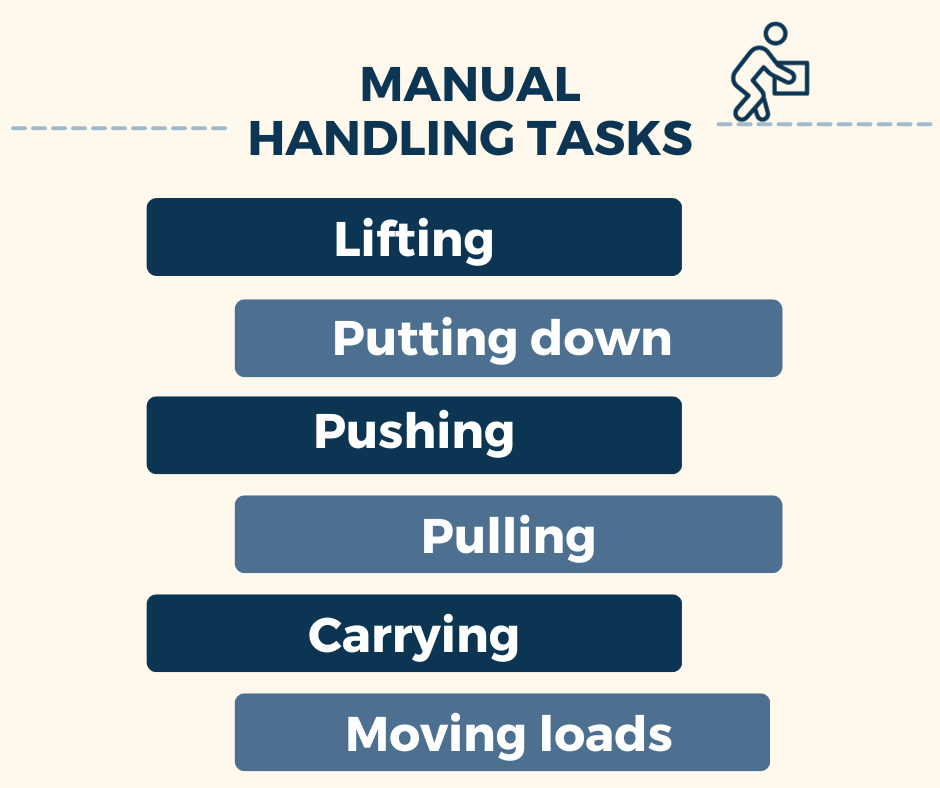 Manual handling is a frequent workplace hazard and refers to any activity that involves lifting, lowering, pushing, pulling, carrying, or otherwise moving or supporting a load using physical effort.
While training plays a vital role in reducing the risk of injury, it should not be relied upon as the sole control measure. The primary focus should be on designing tasks and processes to eliminate or minimise the need for manual handling wherever possible. When manual handling cannot be avoided, appropriate measures must be put in place to ensure it is carried out safely.
Effective manual handling training should include:
- An understanding of common risk factors
- How manual handling injuries occur
- The correct use of mechanical aids
- Safe and effective handling techniques
- Safe systems of work specific to the employee’s tasks
- Practical sessions to identify and correct poor technique
Online learning can provide a strong foundation in manual handling awareness. This can then be reinforced through face-to-face training, ensuring employees have the knowledge and practical skills needed to perform manual handling tasks safely in their roles.
Learn more about manual handling safety with our Manual Handling E-Learning Course. Get 10% off this course with the code ‘warehouses10’!

COSHH and Manual Handling training courses are essential tools in protecting the safety of your workers. Make sure you don’t miss out on our 10% off deal on these courses, available until the end of March. Simply enter the code ‘warehouses10’ at checkout to save!
Read more Safety Spotlight blogs here
To keep up to date with the latest health & safety news and advice, follow us on social media: