
A substance is considered hazardous if it has the potential to cause harm in any way. Under COSHH (Control of Substances Hazardous to Health), hazardous substances include those that are corrosive, explosive, toxic, or capable of oxidising.
Most workplaces across the UK use substances that could pose a risk to health. It is therefore vital that employees are able to identify these substances, understand how to protect themselves, and that effective control measures are put in place.
1. Carry out a COSHH risk assessment
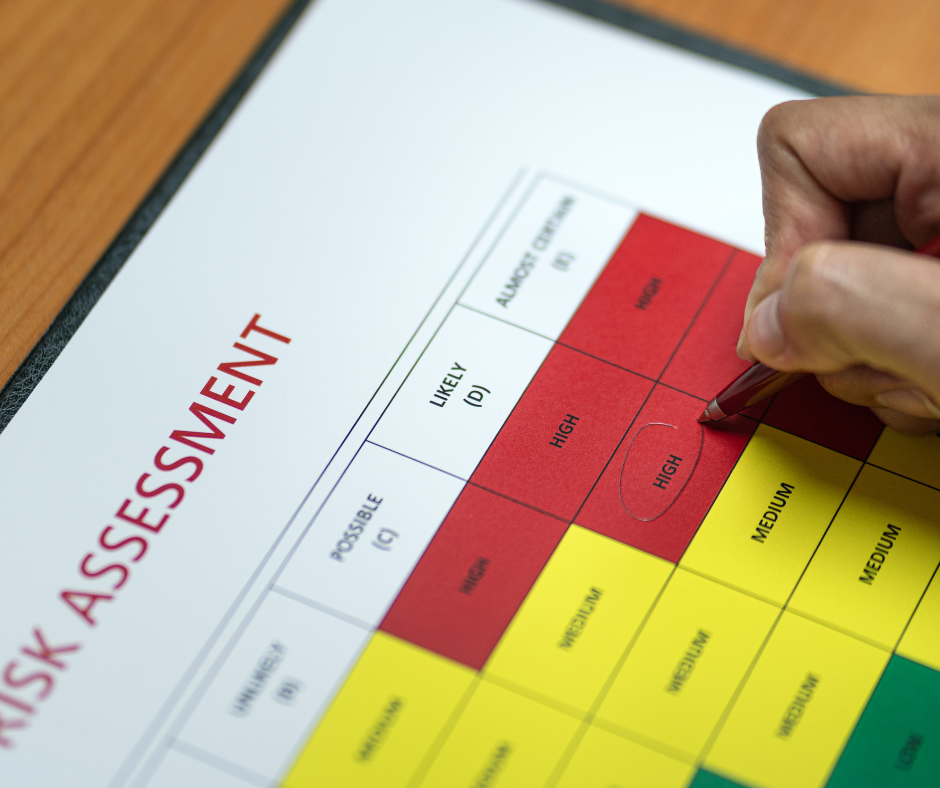 A COSHH assessment should:
- Identify the hazards – including substances with warning labels and those generated by work processes.
- Evaluate the risks – determine who could be harmed and how exposure might occur.
- Establish control measures – decide what steps are needed to reduce or eliminate the risks.
2. Eliminate hazardous substances where possible
Elimination is the most effective control measure and should always be considered first. This may involve changing processes so that the hazardous substance is no longer required or so that harmful by-products are not produced.
3. Substitute with safer alternatives
If elimination is not possible, consider replacing the substance with a less hazardous option. This could involve using a product with a different chemical composition or choosing a safer formulation of the same product.
4. Use clearly labelled containers
Hazardous substances should ideally remain in their original manufacturer’s packaging. All containers must be clearly labelled to indicate their contents and safe handling instructions. Never store hazardous substances in unmarked containers or in containers intended for other uses.
5. Store substances safely
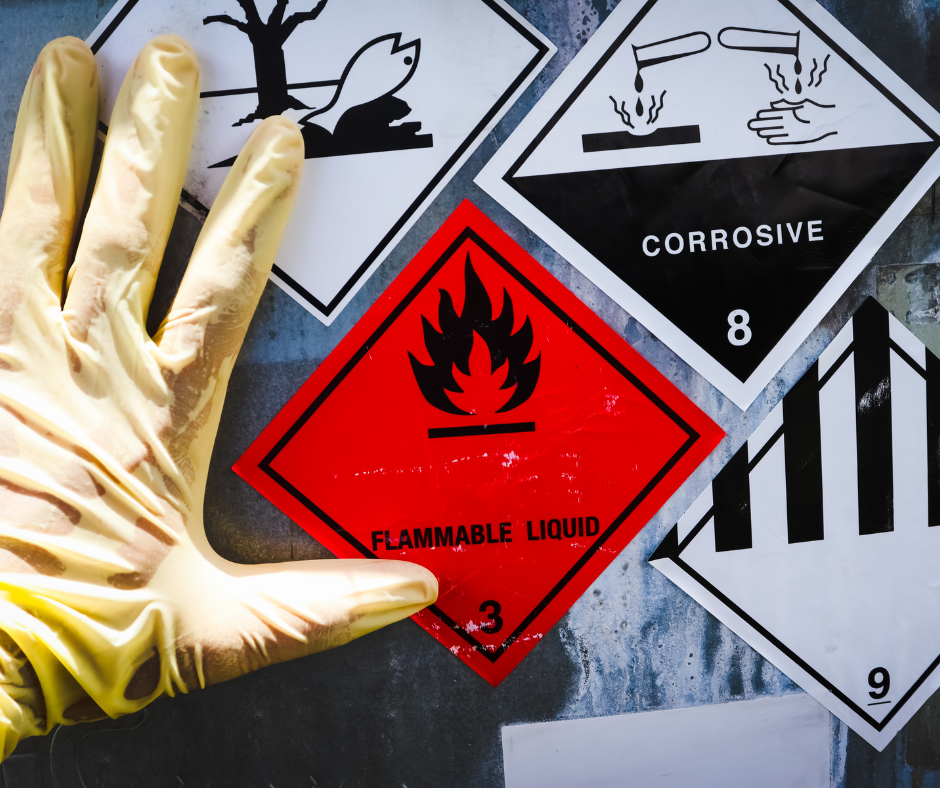 Ensure hazardous substances are stored under suitable conditions, including correct temperature control and segregation from incompatible materials. Containers must be strong and appropriate for the substance they hold.
6. Provide COSHH training
Employees should receive training so they understand:
- How to report health and safety concerns
- Workplace procedures relating to hazardous substances
- What PPE is required and how to use it correctly
- How to operate control measures and equipment
- The hazards and associated risks
7. Implement control measures and equipment
Control equipment may:
- Reduce or contain hazardous substances (e.g. extraction systems, spill kits)
- Protect individuals from exposure (e.g. personal protective equipment)
8. Adapt working practices
Modifying work methods can help reduce exposure. For instance, when dealing with wood dust, vacuuming instead of sweeping minimises airborne particles and reduces inhalation risks.
9. Monitor exposure levels
Monitoring ensures control measures are effective. This may include measuring airborne contamination, assessing inhalation levels, or conducting biological monitoring to determine the amount of substance absorbed into the body.
10. Carry out health surveillance
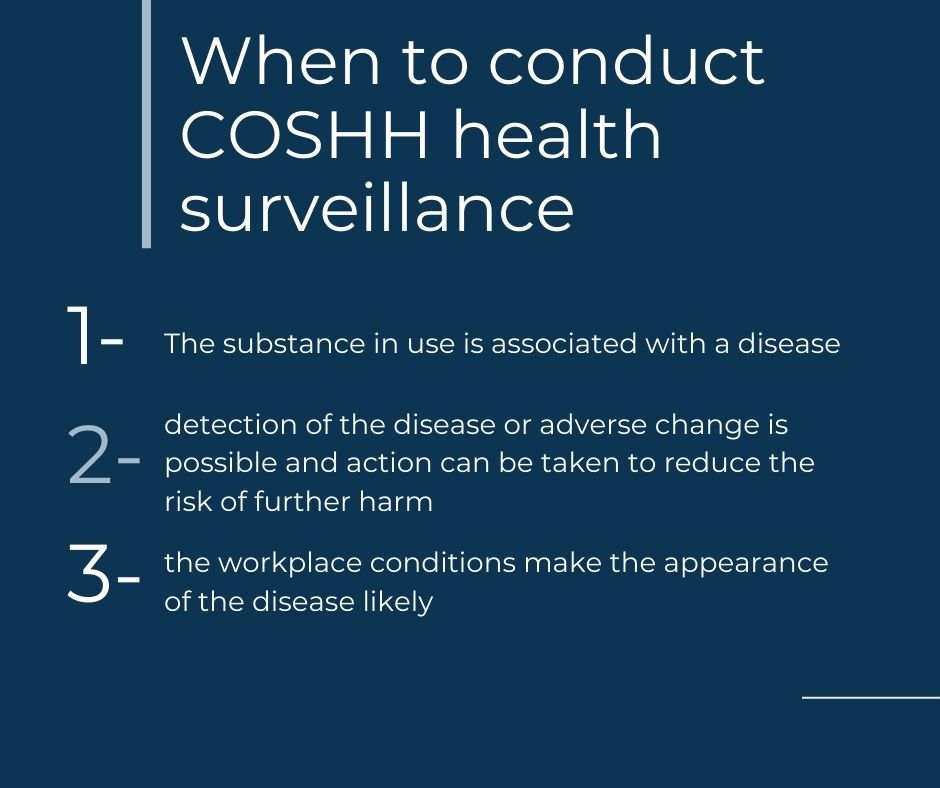 Health surveillance is necessary when:
- The substance is known to cause a specific illness
- Early detection of adverse effects is possible and preventative action can be taken
- Workplace conditions increase the likelihood of the illness developing
Taking these steps helps ensure compliance with COSHH regulations and, most importantly, protects employee health and safety.

COSHH and Manual Handling training courses are essential tools in protecting the safety of your workers. Make sure you don’t miss out on our 10% off deal on these courses, available until the end of March. Simply enter the code ‘warehouses10’ at checkout to save!
Read more Safety Spotlight blogs here
To keep up to date with the latest health & safety news and advice, follow us on social media: