
As part of December’s Hazard of the Month, Vehicles, we’re highlighting two key areas: Driving Safely Awareness and Hand Arm Vibration.
Driving Safely Awareness
 Driving for work, whether on-site or on public roads, is one of the highest-risk activities an employee can undertake. Employers have a duty to manage the health and safety risks faced by anyone who drives as part of their job and must take all reasonably practicable steps to prevent injuries, ill health, and fatalities, both for their staff and for others who may be affected.
In addition to general health and safety requirements, road traffic legislation sets out specific employer responsibilities regarding vehicle use and maintenance. These include ensuring that:
- vehicles are kept in good mechanical condition
- drivers are competent and fit to operate them
- any passengers or loads are transported safely
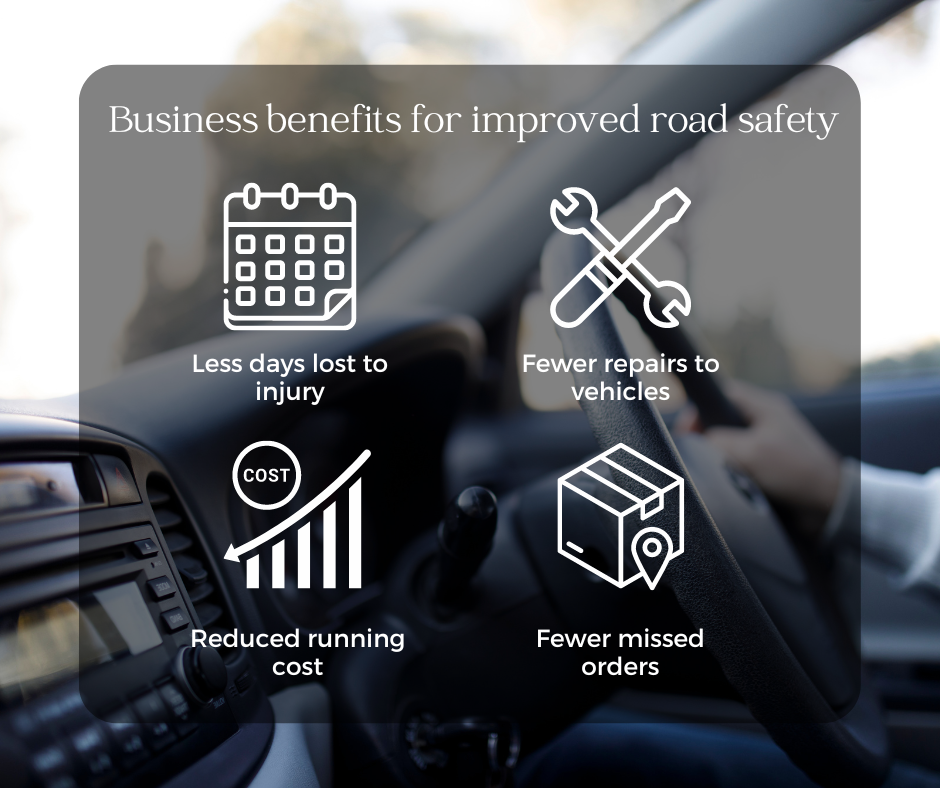
From a business perspective, there are clear advantages to effectively managing work-related road safety. Fewer road incidents can lead to:
- fewer lost working days due to injury
- reduced vehicle repair costs
- fewer missed deliveries or appointments
- lower overall operating costs
By managing these risks effectively and working collaboratively with employees, organisations can not only improve safety but also reduce stress, enhance morale, and increase operational efficiency.
Learn more with our Driving Safely Awareness online training – save 10% on this course throughout December with the code ‘vehicle10’.
Hand Arm Vibration
 Hand arm vibration syndrome (HAVS) is caused by prolonged use of hand-held power tools and can lead to serious, long-term health problems. Although the condition is preventable, any damage that occurs is permanent, making it essential to stay vigilant and ensure that effective control measures are in place.
Employers have a legal responsibility to assess the risks associated with hand–arm vibration and to eliminate or reduce exposure as far as reasonably practicable. Ways to manage and control HAVS risks include:
- Assessing which workers may be at risk by reviewing tool use: identify who is exposed, what equipment causes the exposure, and the duration of use
- Checking whether any employees are already experiencing symptoms such as tingling or numbness, or have diagnosed HAVS or Carpal Tunnel Syndrome, so that further harm can be prevented
- Identifying alternative methods of working that eliminate or reduce the need to use vibrating tools
- Considering vibration levels when buying or hiring equipment, and choosing lower-vibration options where possible
- Keeping equipment properly maintained and serviced in line with manufacturer recommendations
- Planning work schedules to limit workers’ exposure to vibration
- Providing workstations that reduce awkward or uncomfortable postures
- Supplying warm, dry clothing to help workers maintain good circulation
Learn more with our Hand Arm Vibration online training – save 10% on this course throughout December with the code ‘vehicle10’.
Driving Safely Awareness and Hand Arm Vibration training courses are essential tools in ensuring safety in and around vehicles. Make sure you don’t miss out on our 10% off deal on these courses, available until the end of December. Simply enter the code ‘vehicle10’ at checkout to save!
Read more Safety Spotlight blogs here
To keep up to date with the latest health & safety news and advice, follow us on social media: