
1. Plan your journey
Before you set off make sure you have planned your route carefully, taking into account areas that may be affected by ice, snow, or flooding al0ng with potential high-traffic areas. If possible, try to stick to major road as these are more likely to be gritted in icy conditions.
Tools like the RAC Route Planner can help you keep an eye on current traffic conditions, and be sure to check your local weather before your journey.
2. Prepare your car for winter driving
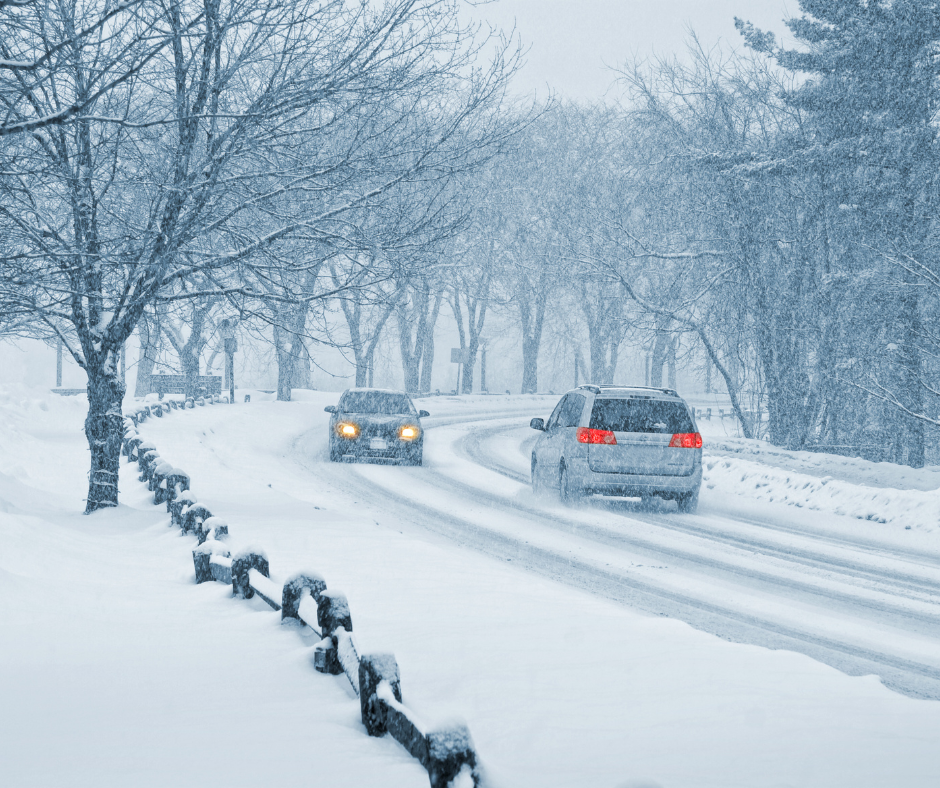 Schedule in some time before your journey to allow you to prep your car for travel – clearing car windows, mirrors, lights and the top of your roof of snow, de-icing and demisting your windscreen.
Carry out the following checks:
- Wipers should be in good condition and auto wiper control should be turned off before turning the ignition to prevent the fuse from blowing
- Tires should have adequate tread
- Screen wash should protect down to at least -35 to prevent the water from freezing
- Lights should all be working and visible
- Your car should have adequate fuel or EV charge
3. Pack for the worst case scenario
Prepare for any scenario by packing your car with the following items:
- wind up torch
- hi-vis vest
- blanket
- demisting pad
- food and drink
- spare screenwash
- de-icer
- ice scraper
- portable phone charger
- paper map
- first aid kit
- jump leads
4. Keep your distance on the road
When driving on snow or ice your stopping time increases significantly – make sure you leave plenty of space between your vehicle and the one in front of you to make sure you have enough time to stop if needed.
5. Adjust your gears for the weather
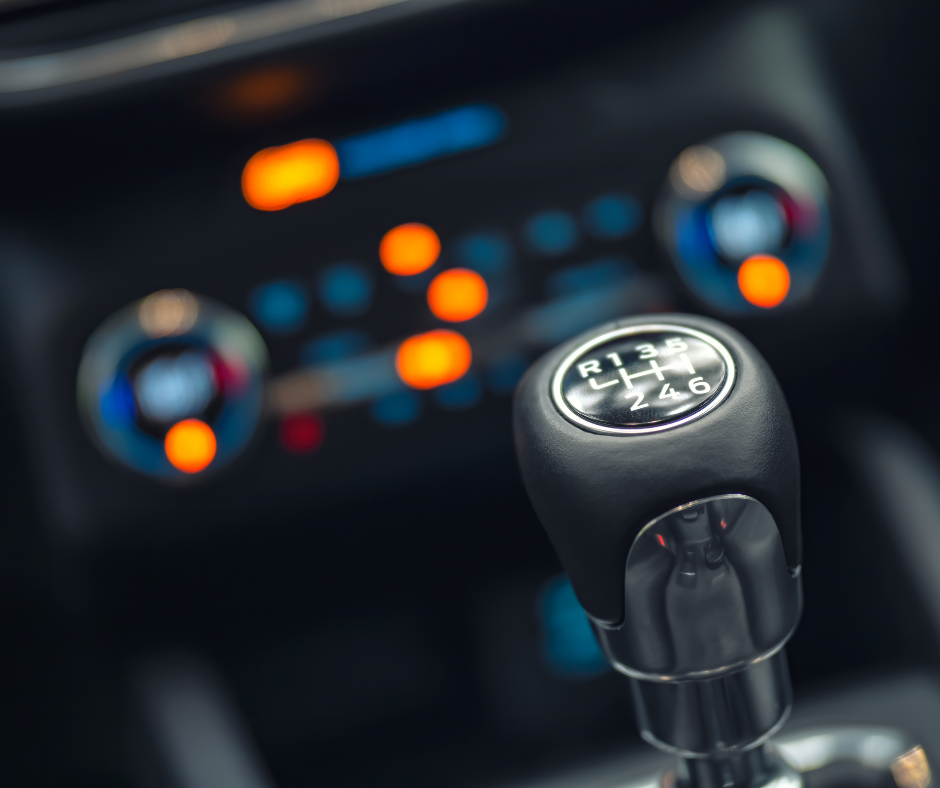 Driving in a higher gear with give you more grip and help you keep in control in icy conditions.
If you are struggling to pull away, try starting in second gear to help you get moving.
6. Familiarise yourself with light and heat controls
In the winter you’ll be using your car’s lights and heating much more frequently – make sure you know how to adjust your lights, how to change your settings, and what lights to use when.
You should also know how use your heat controls to de-ice your car and prevent misting, as well as keeping you warm on your journey!
7. Give yourself time
When heading out in your vehicle, make sure you leave yourself plenty of time to get to where you need to be.
Rushing can lead to unnecessary stress that could result in mistakes and accidents.
8. Know how to recover from skidding
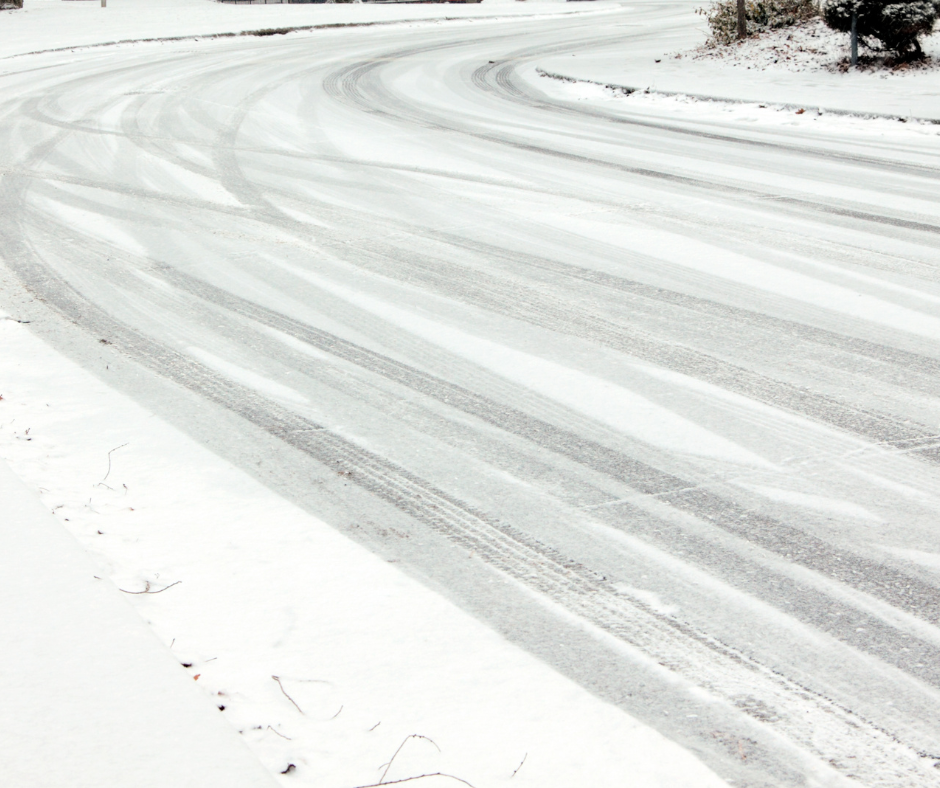 If you lose control of your car, keep both hands on the wheel and avoid braking, and try to steer into the skid.
9. Know what to do if you get stuck in snow
If you get stuck in snow, move your vehicle slowly backwards and forwards out of the rut using the highest possible gear.
10. Consider winter tyres
Winter tyres or snow socks may be required in remote areas that experience extreme weather conditions – such as the Scottish Highlands.
However in most cases modern cross-climate tyres will be suitable, as long as they are in good condition with sufficient tread depth.
Driving Safely Awareness and Hand Arm Vibration training courses are essential tools in ensuring safety in and around vehicles. Make sure you don’t miss out on our 10% off deal on these courses, available until the end of December. Simply enter the code ‘vehicle10’ at checkout to save!
Read more Top Tips blogs here.
To keep up to date with the latest health & safety news and advice, follow us on social media: