
Fire safety is more than just fire extinguishers, alarms, and emergency exits – there are many factors to consider and maintain to ensure your workplace is protected.
Here are some of the most common mistakes businesses make with their fire safety and how to address them.
1. Out of date or inadequate fire risk assessments
Fire risk assessments should be reviewed regularly to ensure that changes such as new equipment or different layouts are captured and accounted for.
2. Propping open fire doors
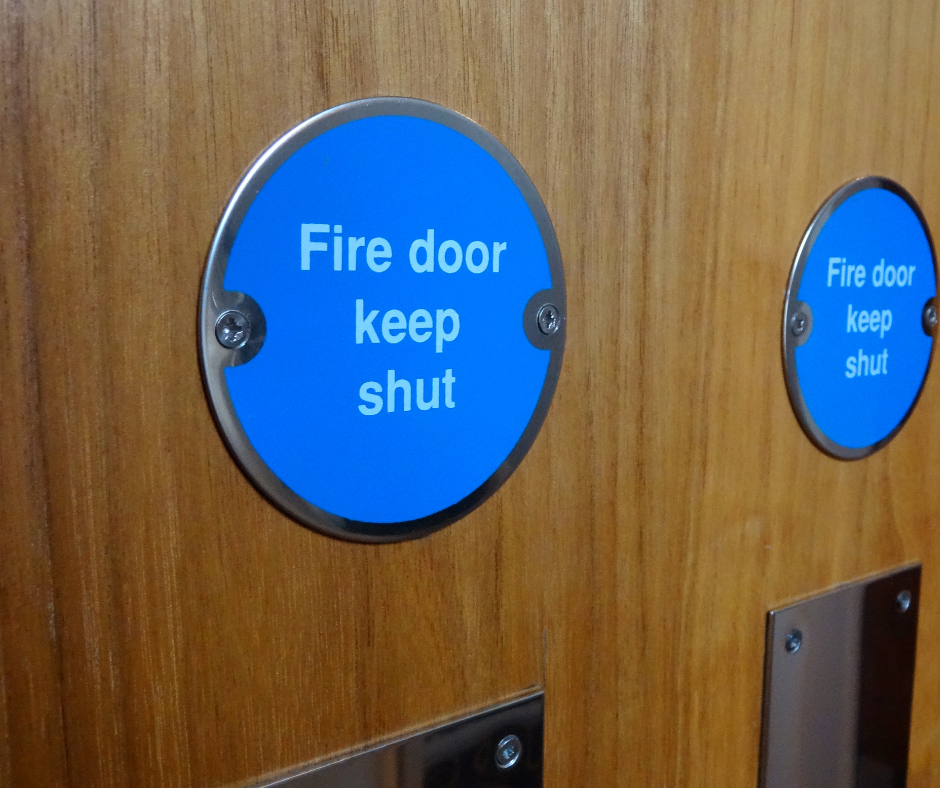 Fire doors are designed to contain fire and protect escape routes – if they are propped open for convenience, smoke and fire can quickly spread throughout the building.
The only time they should be held open is if using automatic hold-open devices linked to the fire alarm system.
3. Poor housekeeping
Untidy work areas and accumulated clutter, such as rubbish, packaging and paper waste, can obstruct evacuation routes or serve as potential fuel for a fire. Waste should be disposed of regularly and the workplace kept tidy.
4. Inadequate fire safety training
All employees should know:
- How to raise the alarm
- Where the closest exits are
- What the company evacuation procedures are
- Where fire extinguishers are and how to use them (when appropriate)
Fire drills and refresher training sessions should be carried out regularly to ensure everyone knows what to do in an emergency.
5. Inaccessible escape routes
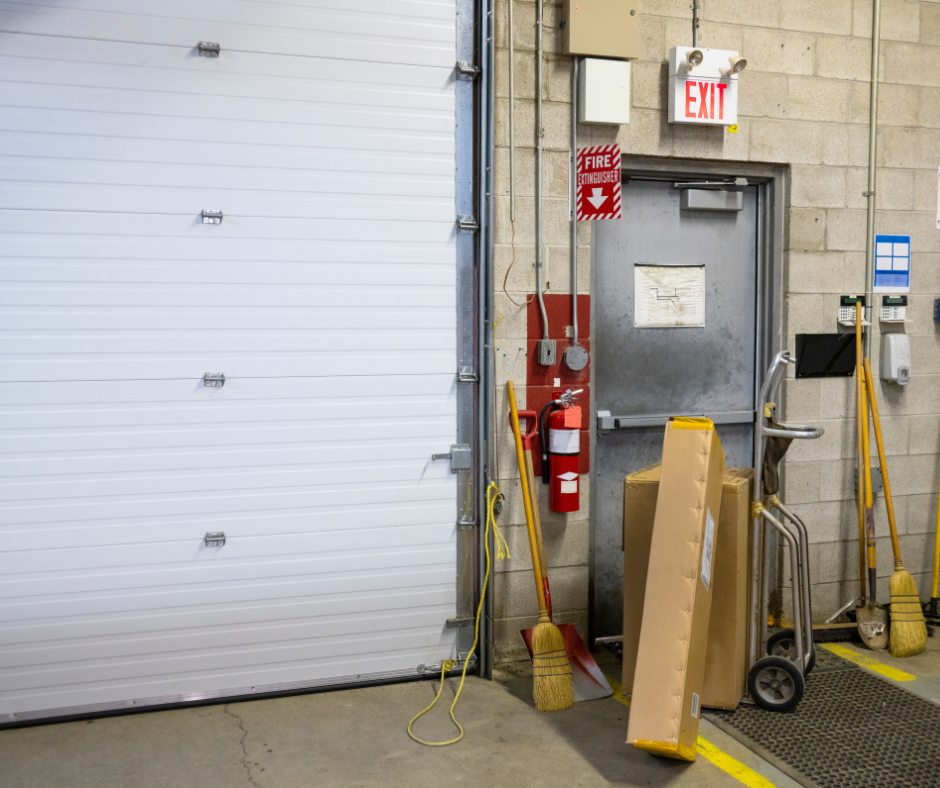 Escape routes and fire exits should be clear at all times – any blocked or otherwise inaccessible exits can prevent a safe and swift escape during an emergency.
Escape routes should be:
- Clearly marked and lit up
- Obstruction-free
- Wide enough to safely accommodate users
- Supported by signs and emergency lighting
6. Unsafe extension lead use
Extension leads must not be plugged into other extension leads (known as “daisy chaining”), as this can overload the leads and cause them to combust.
It is also important to ensure the leads are not coiled, as this can lead to overheating.
7. Dismissing small hazards
Small hazards, such as combustible materials stored too close to heat sources or unattended electrical equipment, can quickly become a big safety issue. By being aware of what risks are present in your workplace, you can eliminate or control hazards and make your organisation much safer.
8. Not maintaining fire safety equipment
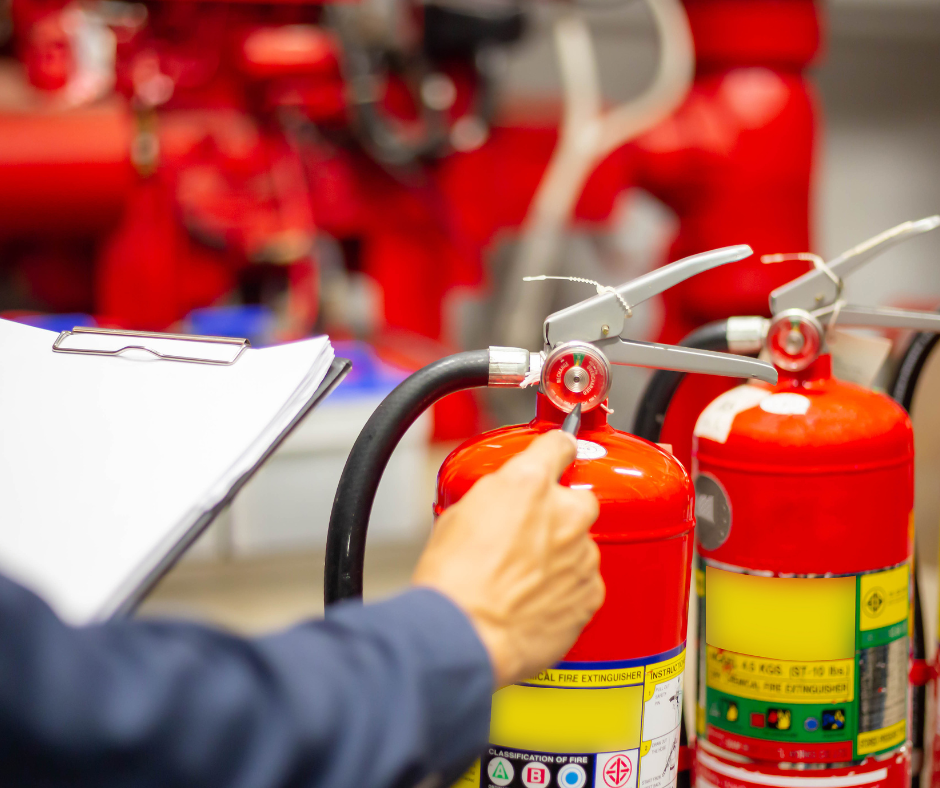 By law, fire extinguishers and other safety systems must be regularly inspected and serviced by a competent person.
The best way to ensure your equipment is in working order in case of an emergency is to implement a maintenance schedule, and keep records of inspections and servicing.
9. Forgetting about battery risks
While often out of sight, lithium ion batteries are a growing workplace fire risk due to the rise in rechargeable tools, laptops, e-bikes, and power banks.
It is important to regularly check batteries and devices for signs of damage, and dispose of them safely if damage is found.
10. Inadequate fire doors
If fire doors are not properly maintained, they will become less effective in limiting the spread of fire and smoke.
Common issues include damaged doors, faulty closers, damaged seals, gaps around the door and unsuitable alterations.

Building Safety Act and Fire Safety courses are essential tools in understanding duties under the Building Safety Act and ensuring fire safety awareness within your team.
Make sure you don’t miss out on our 10% off deal on these courses, available until the end of September. Simply enter the code ‘bsa10’ at checkout to save!
Read more Top Tips blogs here.
To keep up to date with the latest health & safety news and advice, follow us on social media: