
Many companies use contractors for specialist tasks that their own employees are unable to carry out.
This could involve working on critical process plant and equipment or carrying out non-routine activities where there is a greater potential for harm if their work is not properly managed.
So, how can you act responsibly to ensure that the contractors you employ are going to be accident and incident free whilst working on your premises?
Carry out a site induction for the Contractor
 Contractors are not as aware of the conditions of the companies normal daily running, so it is important to ensure that contractors are properly briefed and understand any major hazard and risks associated with your company activities.
This will enable them to work safely and to safeguard the integrity of your premises, people and processes – remember, they are not your full-time employees and need guidance.
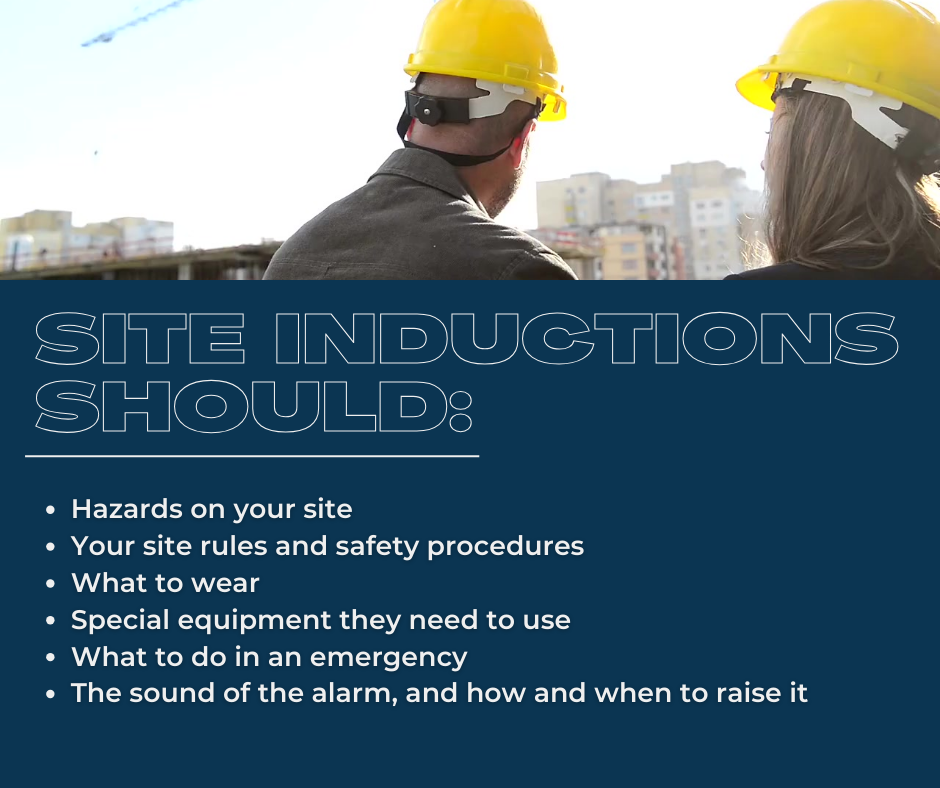
Bring contractors into your health and safety procedures and offer an induction process to cover the following company procedures:
- Hazards on your site
- Your site rules and safety procedures
- What to wear
- Special equipment they need to use
- What to do in an emergency
- The sound of the alarm, and how and when to raise it
Understand the work they must do and plan ahead
 Offer the contractor a single point contact within the business preferably a manager who can then discuss the project to be performed and ensure the following is covered:
- Check the contractor’s legal insurance cover matches the scope of work and the company it represents, including all company policies of safe work and safe practices.
- Review their scope of work in the form of Risk Assessments and Method Statements and agree a safe way forward to complete the work injury and incident free. If this is involving high risk activities, ensure they are discussed thoroughly and reduce risks as much as possible.
- Authorise high risk activities with a permit to work system.
- Look at the capabilities and competence of the contracted staff on site.
- Look at the planned duration of the work and see how it effects your current staff or running of your business.
- Agree a program of works that suits both parties with minimum of business disruption.
- Review the project frequently and monitor the progress and record any lessons learned for improvement.
- Ensure there is a hand back process for each phase of work this will enable both parties to achieve lighthouse goals safely under monitoring and controls of safe practices.
- Carry out a contract review on both the Contractor and you, the company who employed them and keep a record.
Following these simple rules for managing contractors effectively involves a structured process for the planning of a job.
How can WA Management help?
WA Management offer an online Managing Health and Safety training course, helping managers to ensure the safety of the workers they are responsible for.

Working at Height and Managing Health and Safety training courses are essential tools in protecting the safety of your workers. Make sure you don’t miss out on our 10% off deal on these courses, available until the end of February. Simply enter the code ‘heights10’ at checkout to save!
Read more Consultant’s blogs here.
To keep up to date with the latest health & safety news and advice, follow us on social media: