
Mental health support tops benefits for under-30s
 Mental health support is becoming a defining factor in how employees evaluate workplace benefits and choose where to work, according to new research from Semble.
The survey of 1,000 UK adults found that more than half (56%) of under-30s say mental health support is the workplace healthcare benefit they value most, compared with 37% of those aged 51-70. This highlights a significant generational shift in employee expectations.
The findings come as employers face growing pressure to tackle workplace ill health. According to the CIPD, mental ill health is now the leading cause of long-term sickness absence, reinforcing the need for earlier and more accessible support.
Read more on the HSM website.
More than half of England in drought, Environment Agency declares
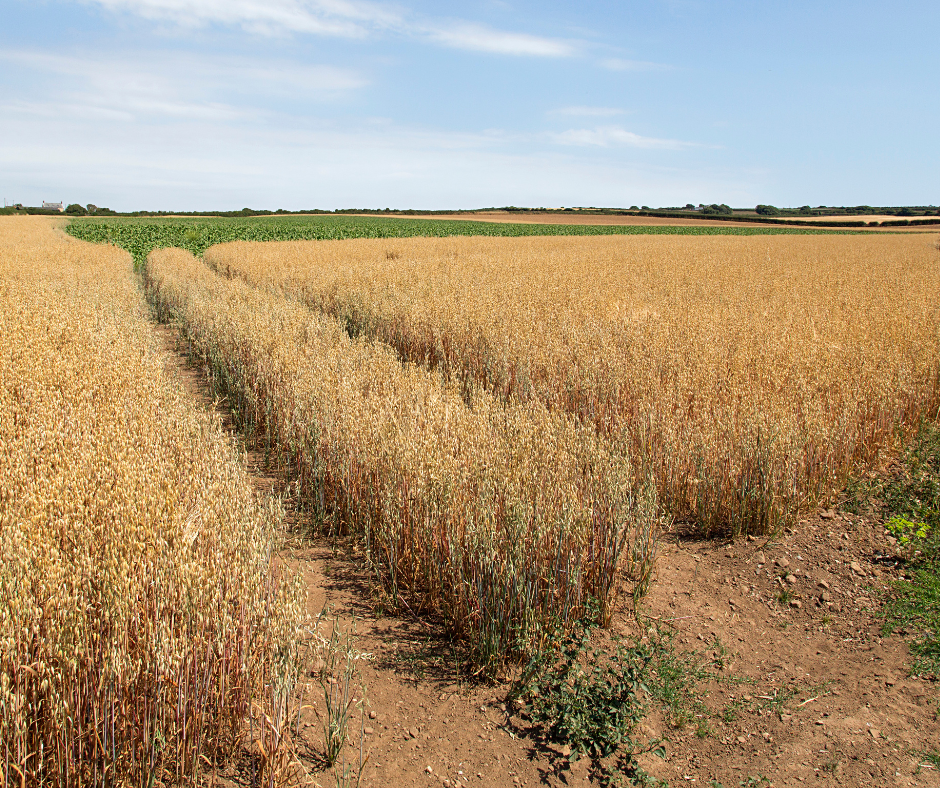 Drought has been declared across more than half of England as hot, dry weather takes its toll on the country’s water supplies.
The Environment Agency (EA) announcement covers much of central, eastern and southern England, and is a public sign that further restrictions on water use might follow.
It added that the impacts are already being felt, including low river flows, early harvests and high risk of wildfires. More than 20 million people are already under hosepipe bans.
North Wales and the Upper Severn river basin entered drought conditions last week, Natural Resources Wales said.
Learn more on the BBC website.
Revealed: The toxic chemicals detected at illegal waste sites
 A toxic mix of hundreds of chemicals has been detected at three illegal waste sites across the country.
The Environment Agency has said it is “carefully considering” Sky News’ testing, which has found chemicals posing a “serious health risk” to humans.
Three huge dumps, in Gloucester, Wigan and Ranskill, near Doncaster, were investigated.
For more on the testing, visit the Sky News website.
Bumblebees are struggling in UK heatwaves – but you can help them
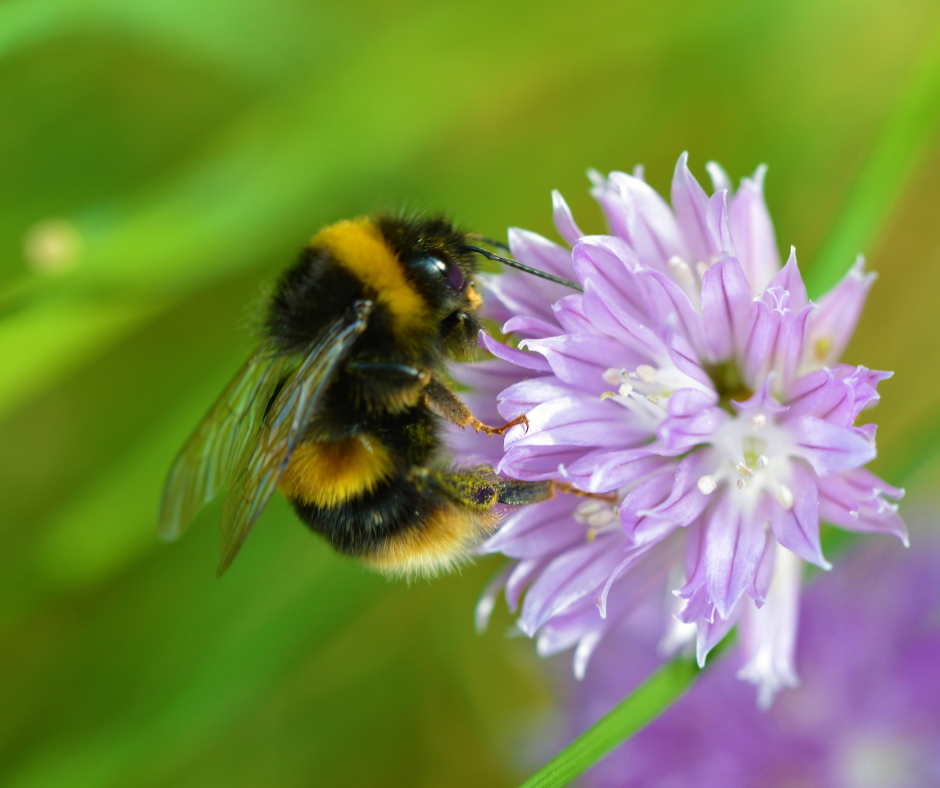 UK bumblebees could suffer sharp falls in their numbers as heatwaves become more frequent and intense, new analysis suggests.
The findings – shared exclusively with the BBC – draw on data from the Bumblebee Conservation Trust’s long-running national monitoring scheme, which shows a decline in populations after the record-breaking heat of 2022.
The warning comes as Britain emerges from a third heatwave in as many months, with temperatures in the range where bumblebees can struggle to fly without overheating.
Bumblebees are not just one of the best-loved sights of the British summer, they are also vital pollinators, helping sustain wildflowers and some of the crops we rely on.
Visit the BBC website to read more.
To keep up to date with the latest health & safety news and advice, follow us on social media: